EPISODE 01
When Pets Become Strays
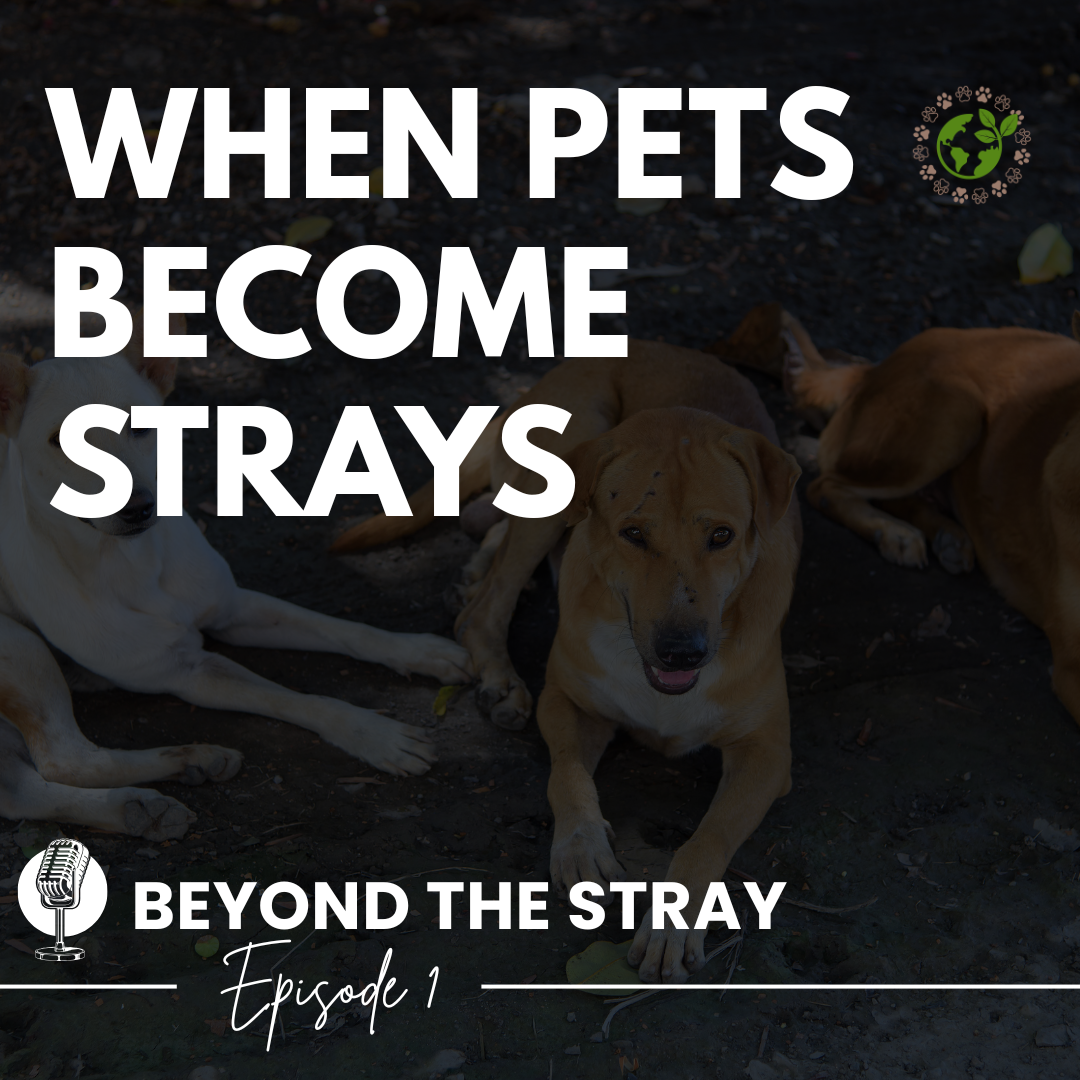
Where the story begins: how domestic pets can become part of a growing population of free-roaming animals, and why the visible stray is only one part of a larger issue.
Listen on Substack ↗Understanding the impact beyond the stray.
Pet overpopulation occurs when domestic animal populations exceed a community's capacity to provide enough homes, care, shelter, and resources.
In the Philippines, growing populations of free-roaming dogs and cats can affect the communities and environments around them. The Stray Impact looks beyond the individual animal to understand the wider system behind the issue.
This project explores how pet overpopulation connects animals, people, communities, and Philippine ecosystems.
Start with the visible problem, then follow the impact outward.
Where the story begins: how domestic pets can become part of a growing population of free-roaming animals, and why the visible stray is only one part of a larger issue.
Listen on Substack ↗The causes behind pet overpopulation and how individual choices and community conditions can contribute to a growing stray population.
The ecological impact: wildlife, food webs, waste, and the environments shared by domestic animals and native species.
How free-roaming animal populations intersect with public health and the communities where people and animals live together.
Practical actions and responsible pet ownership that can help address the problem at its roots.
The project follows the issue across four connected areas.
Free-roaming domestic animals and the conditions that allow populations to grow.
Public health, daily life, and the shared spaces where communities and animals interact.
Wildlife interactions, food webs, waste, and the ecological systems affected by growing stray populations.
The advocacy project is grounded in research and Philippine sources used throughout the concept map and podcast series.